
Process safety continues to evolve as new technologies, emerging risks, and shared lessons shape how organizations protect people, assets, and the environment. At the center of these conversations is the Global Congress on Process Safety (GCPS), where professionals from around the world come together to strengthen best practices, exchange knowledge, and advance the discipline.
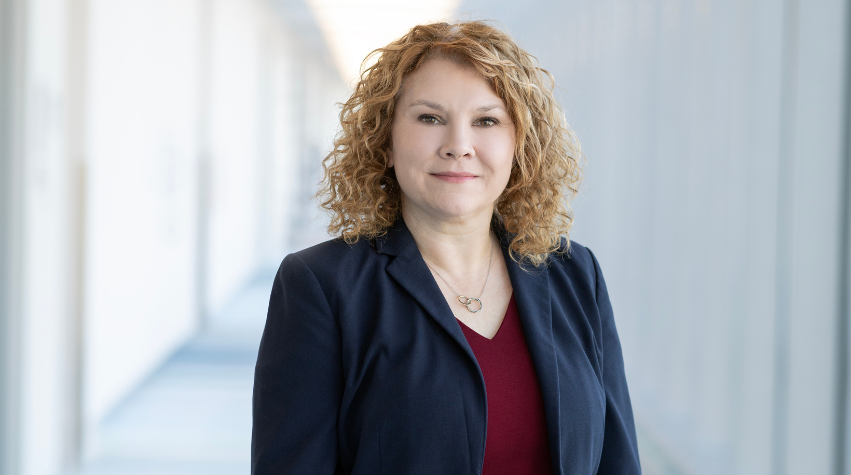
We recently spoke with Jennifer F. Mize, Director of Intermediates Manufacturing for Chemicals & Fibers Manufacturing at Eastman, and Chair of the 22nd Global Congress on Process Safety. In this interview, Mize shares what excites her most about this year's conference, how process safety is evolving, and the sessions she believes will be especially valuable for both new and experienced professionals.
As Chair of the 22nd Global Congress on Process Safety, what are you most excited about for this year‘s conference?
I'm excited to gather with the global community of process‑safety professionals. Volunteering at GCPS gives me a hands‑on way to grow my expertise while creating meaningful opportunities to give back through mentoring and service. Spending four days with skilled colleagues who openly share their knowledge and experiences recharges me—professionally and personally—and strengthens our collective ability to protect people, assets, and the environment.
How do you see process safety evolving, and how does the 22nd GCPS reflect where the profession is headed?
New technologies—including responsibly applied AI—are helping us work smarter. Paired with strong human judgment and a healthy safety culture, AI can help prioritize risks, streamline workflows, and improve communication and collaboration across teams. The real benefit is harnessing AI to enable earlier hazard identification, more consistent and effective risk management, and allow process safety experts to focus on the highest‑impact decisions. The 22nd GCPS highlights these advances while keeping the focus on Risk‑Based Process Safety (RBPS).
For chemical engineers attending for the first time, which sessions or events would you most encourage them to attend, and why?
I strongly recommend the Process Safety Management Mentoring (PSM2) track. You'll hear from experts about the fundamentals every process safety professional should know — and why those fundamentals matter — including powerful personal stories in "The Day PSM Hit Home." Also, be sure to attend the Loss Prevention Symposium's 60th Anniversary session celebrating six decades of innovation in hazard identification and risk assessment/management. Finally, join the Process Safety Division (PSD) Annual Meeting; the PSD supports programming throughout the conference and serves as an invaluable resource as you develop your career in process safety.
What do you hope attendees take away from this year‘s GCPS that they can apply directly to their work in process safety?
I leave every GCPS with a few specific actions I plan to share with my team and implement in our work processes. My hope is that every attendee departs with the same: practical best practices, meaningful new professional contacts, and a renewed sense of purpose. Each of us plays a vital role in achieving A World Without Process Safety Incidents™ — and through shared commitment and focused action, we can make that vision real.
Learn more about the 2026 Spring Meeting and 22nd GCPS.
Join the conversation on Twitter and Facebook | #GCPS #AIChESpring
To stay on top of upcoming conferences, check out www.aiche.org/conferences to explore the variety of programming supported by AIChE and stay tuned here at AIChE's blog www.aiche.org/chenected.