
Disclosure: This post is sponsored by Whycomm and reflects their views, opinions, and insights.
As organizations across Latin America continue strengthening their process safety programs, one challenge remains constant: building a culture where risk management is understood, valued, and sustained at every level. Martín Enrique Fernández, President of Whycomm and a specialist in process safety culture and leadership, will share his expertise at the 11th Latin American Congress on Process Safety (LACPS), taking place September 30–October 2, 2026, in Lima, Peru.
In the interview below, Martín discusses the cultural challenges of implementing process safety management (PSM), the importance of leadership engagement, and why communication is essential for creating lasting organizational change.
What are the main challenges of implementing PSM from a cultural perspective?
The biggest challenge for energy companies in Latin America is achieving sustained commitment from senior management over time. After that come all the operational challenges involved in implementing a complex framework like PSM, especially in environments where teams have normalized many deviations over the years.
The result is often a culture where leadership teams struggle to make decisions while fully accounting for risk. In many cases, operational pressures outweigh risk management considerations far too easily.
How is this dynamic evolving?
For several years now, PSM has been fighting for its place on the organizational agenda. There are many success stories where companies have built a shared understanding of process safety across different levels of leadership. I believe the challenge today is developing robust implementations with strong operational involvement, so that organizational transformations and the increasingly frequent changes in senior leadership don't diminish the strategic importance of process safety.
What is the key to achieving that?
Process safety is a very particular language. Organizations speak it in vastly different ways depending on the level of the organization. And senior management, of course, has its own perspective and priorities. Whycomm's contribution to the current discussion is bringing methodologies focused on leadership development, communication, and cultural transformation. At the conference, we'll share some key cultural insights that can help strengthen understanding and engagement with process safety topics at the senior management level.
What do you expect from the 11th Latin American Process Safety Conference?
Without a doubt, sharing best practices across the region empowers process safety and EHS professionals. Leadership challenges around managing risk exist at every level of an organization, and the conference provides an excellent opportunity for learning and exchanging experiences. For Whycomm, the company I lead, which celebrates 20 years of supporting organizations in process safety culture, leadership, and operational discipline in 2026, it's an honor to be part of the global CCPS community and to serve as a sponsor of the region's leading process safety event.
What are the most important skills a process safety professional should have?
Process safety professionals face both technical and cultural challenges.
One of the most critical is developing the communication skills and tools needed to help organizations navigate the complexity of PSM. They must be able to explain why it's important to work within a clear conceptual framework for managing risk.
Risk management frameworks can sometimes generate resistance, especially when senior leaders don't come from operational backgrounds.
The goal is to simplify communication in challenging environments and make complex concepts easier to understand and apply throughout the organization.
Learn more and register for the 11th CCPS Latin American Conference on Process Safety.
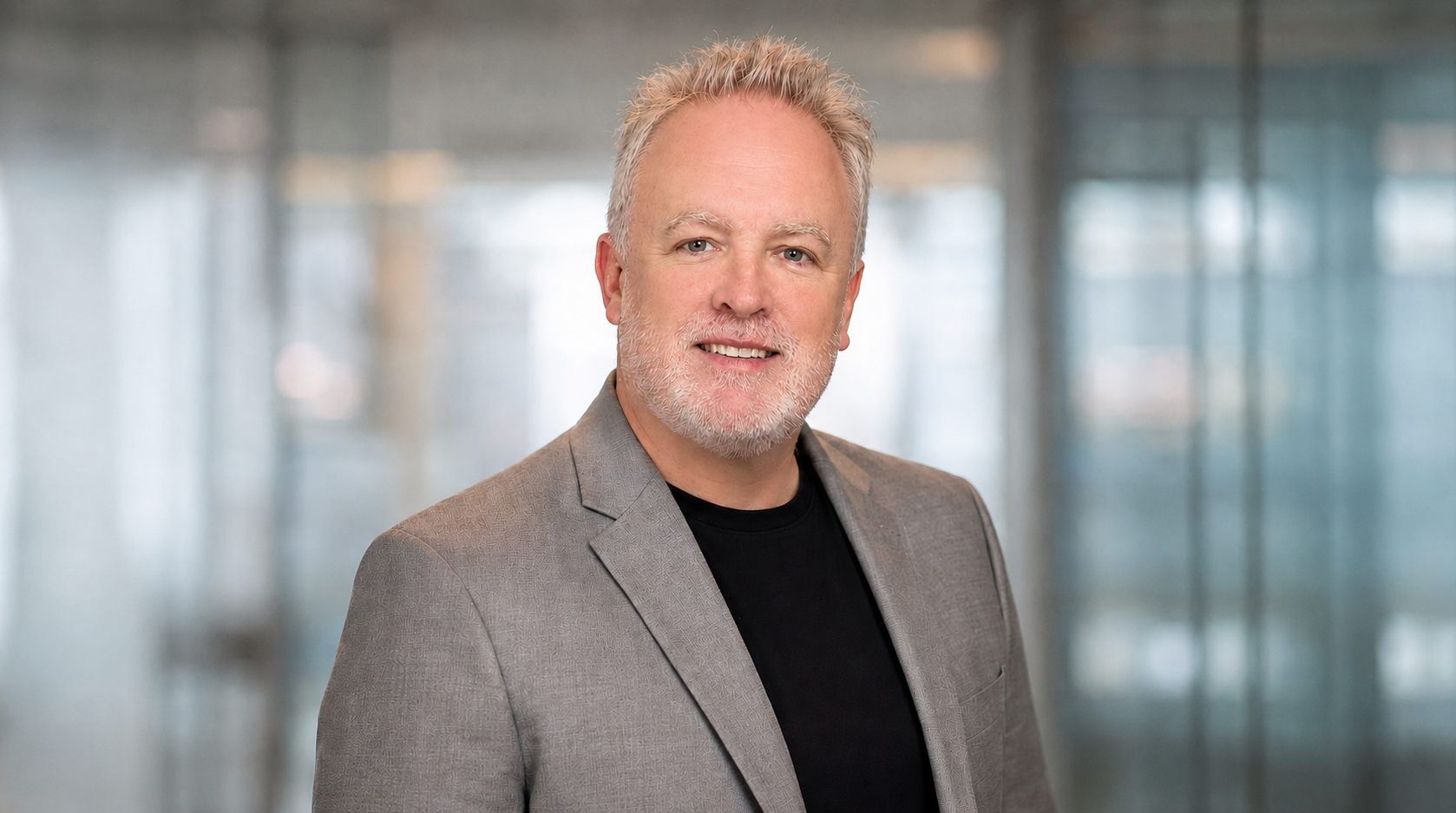
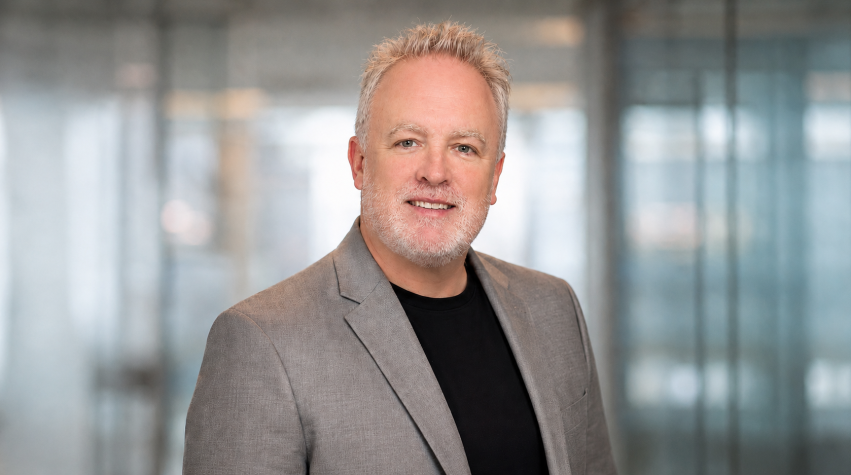
Martín Fernández
Martín Fernández is President of Whycomm, a consulting firm specializing in process safety culture, and a process safety culture and leadership specialist.
Disclosure: This post is sponsored by Whycomm and reflects their views, opinions, and insights.