
In May, AIChE recognizes Asian American and Pacific Islander (AAPI) Heritage Month by celebrating the voices, experiences, and contributions of Asian American and Pacific Islander engineers across the profession. This year’s theme, “Power in Unity: Strengthening Communities Together,” highlights the importance of connection, collaboration, and shared growth.
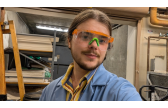
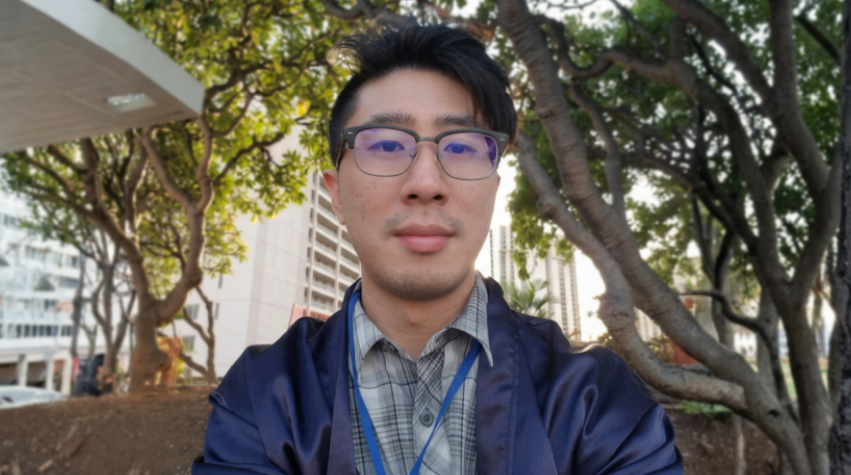
One of those voices is Jonathan Boualavong, assistant professor at the University at Buffalo. Through his work in sustainable technologies and engineering education, Boualavong is helping shape the future of the field while encouraging students to embrace creativity, collaboration, and flexibility in their own journeys.
What first drew you to the field of engineering?
I was always interested in math and science throughout K-12, but I also fell into the art program in high school and really enjoyed how the arts community pushed me to think creatively. I ended up in engineering because I wanted to use math and science in creative ways and get the chance to build things, not just study them.
This year’s AAPI Heritage Month theme focuses on building connections and leveraging collective strength. How have community, collaboration, or mentorship shaped your experience in engineering?
The culture at my undergrad institution was intensely collaborative, with a general atmosphere of everyone working together to make it through. That's been a consistent thread throughout my career, with my peers offering a friendly environment and serving as professional collaborators and mentors all at the same time. These days, I find the greatest sense of belonging not with other engineers who share my expertise, but with colleagues who share a similar vision of the career impact we want to create—even if we come from different disciplines or have different interests.
Beyond that, some of the strongest communities I've been part of haven't centered around the engineering profession at all, but around shared experiences and hobbies. Those communities have kept me grounded and taught me that there are many ways for communities to function beyond the typical structures and hierarchies within the discipline.
What advice would you give to students or early-career engineers who are still finding their place in the profession?
One idea from my liberal arts education that has stuck with me is the "future imaginary" — the idealized vision people and communities hold about how the world will work and their place in it. I've been thinking about this a lot lately as an academic scholar, especially as these "unprecedented times" keep reshaping our expectations, timelines, and career paths.
My advice: hold on to your future imaginary and continue refining it as you grow, but stay open to different paths along the way. Many students and recent graduates feel pressure to follow a specific route toward their goals and become hyper-focused on achieving them a certain way. But sometimes taking an unexpected path, staying flexible, and being patient with yourself can better prepare you for the future.
Learn about The Minority Affairs Community (MAC).
Not an AIChE member? Join or renew today.