
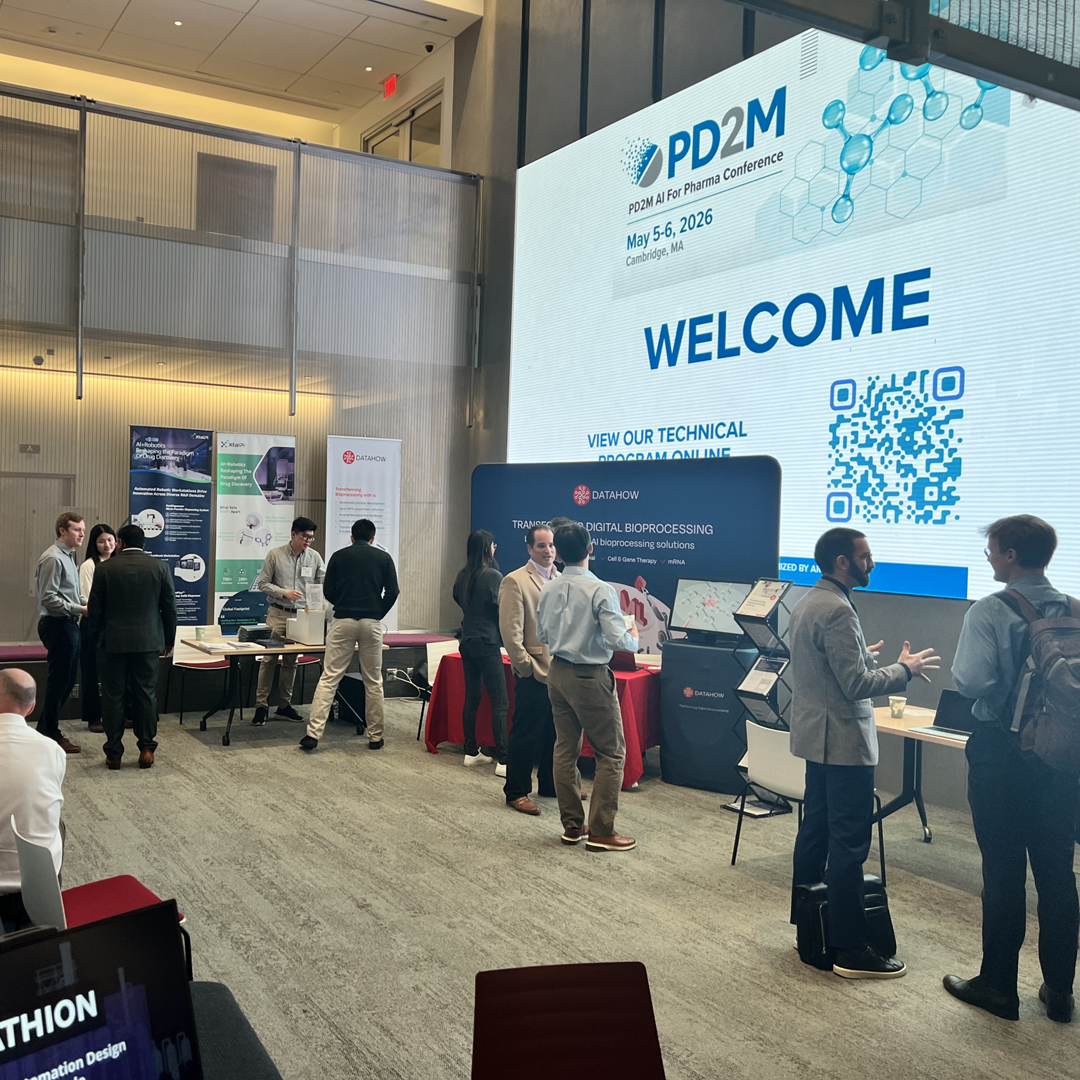
Artificial intelligence (AI) and machine learning (ML) are advancing drug manufacturing and discovery, transforming iterative research and complex processes into productive automated unit operations. Highlighting the engineers and researchers at the forefront of AI in drug research and production, the Pharmaceutical Discovery, Development and Manufacturing (PD2M) AI for Pharma Conference was held on May 5–6, in Cambridge, MA.
The PD2M conference is the flagship summit of the PD2M Forum, an AIChE community dedicated to connecting professionals and empowering the development of pharmaceutical technologies. At this year’s sold-out conference, an audience of 150 attendees heard speakers from industry and academia discuss new methods, technologies, and approaches for integrating AI/ML tools across the drug development lifecycle. Engineers attending the event also had the opportunity to connect with peers advancing AI in biopharma and gained practical insights from industry leaders, regulatory experts, and top academic researchers.
Day one highlights
The conference opened with the keynote talk “How Autonomous Labs Will Replace the Lab Bench,” delivered by Jason Kelly, CEO of Ginkgo Bioworks. Kelly discussed how Ginkgo Bioworks has reimagined basic lab work as an automatable unit operation, accelerating research output by creating self-driving labs that can perform repetitive tasks that previously could only have been performed through manual labor. His talk kicked off the “AI/ML in Pharmaceutical Discovery” session, which highlighted the ways new data analysis technologies are increasing the speed of drug development by providing novel insights into biological and chemical processes.
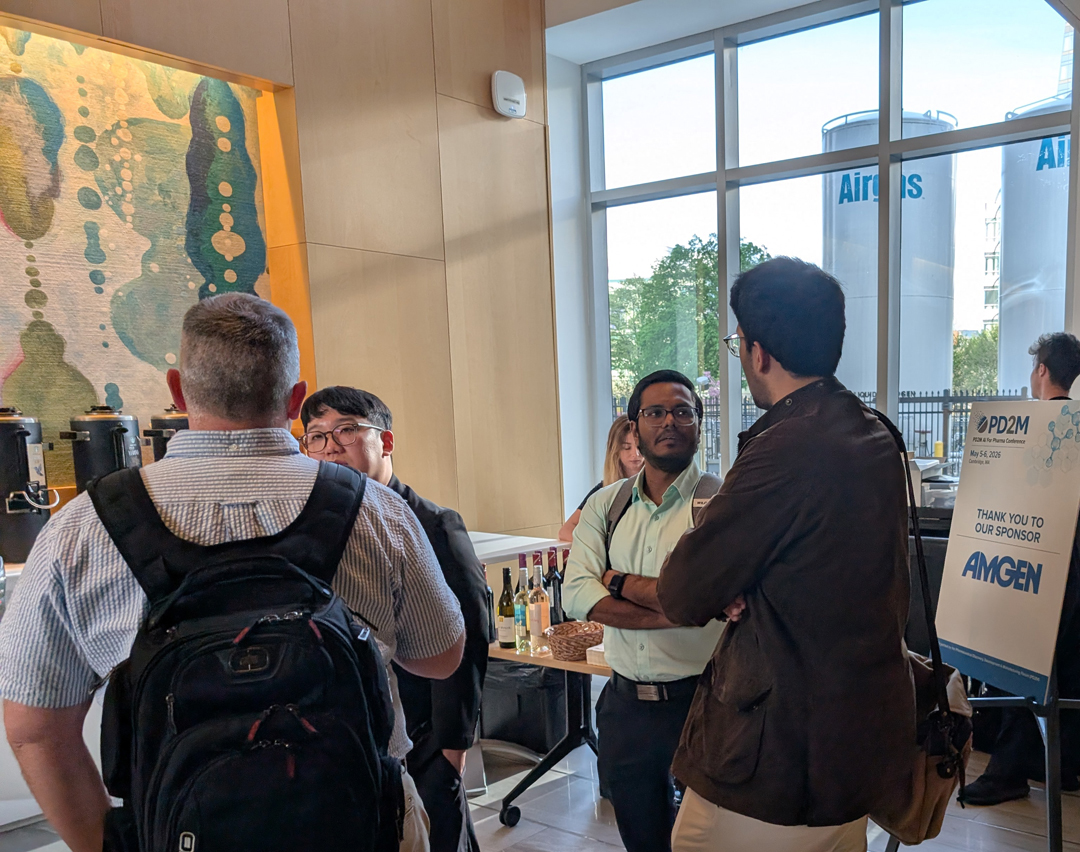
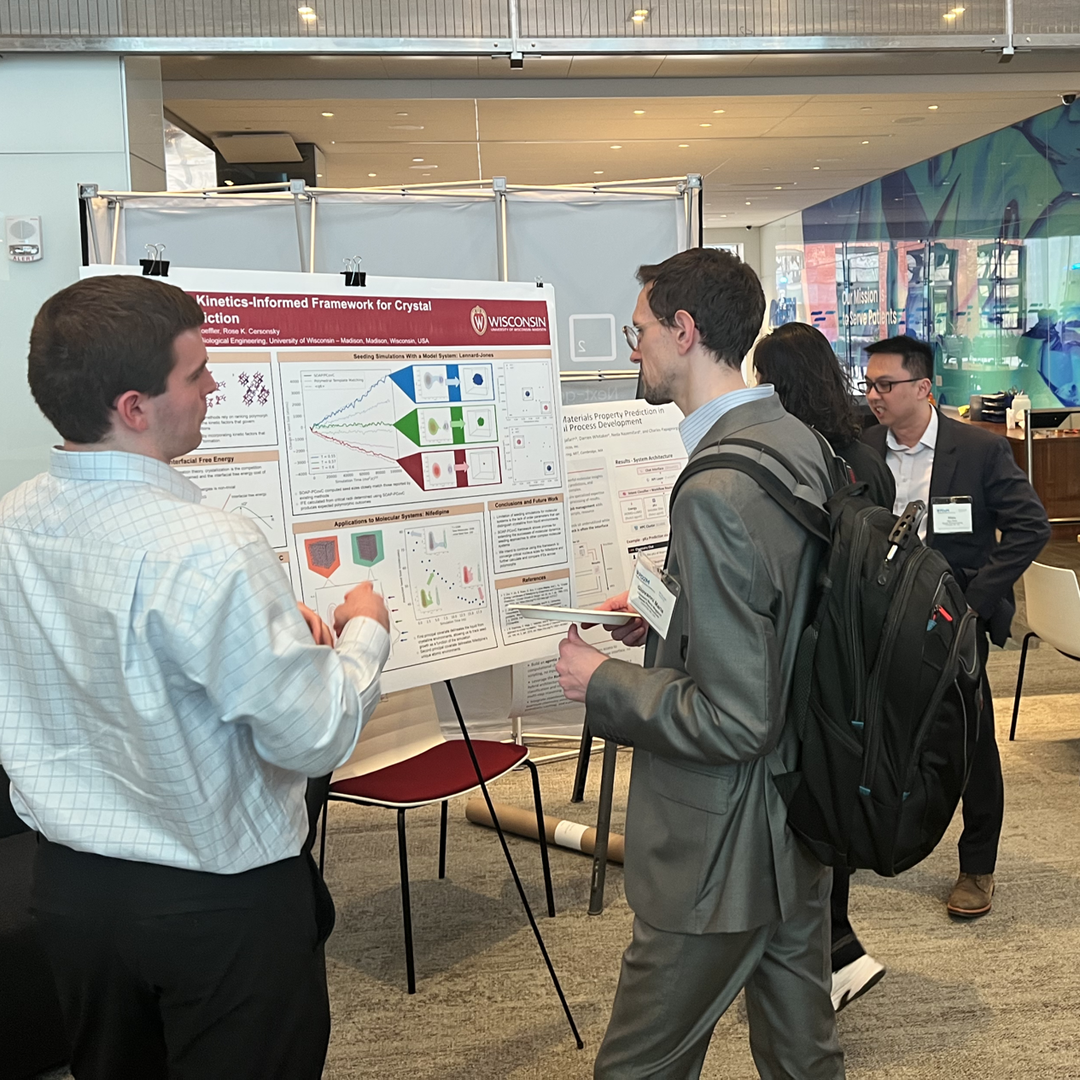
That afternoon’s session opened with the keynote speech “AI Transformation in GxP Quality: Predict, Prevent, Perform,” delivered by Amgen’s Senior Director of Data Sciences, Elif Seyma Bayrak. Her talk demonstrated how data science advances have enabled more sophisticated product quality analysis, launching a session focused on AI-driven process optimization. The day concluded with a poster session and a panel discussion featuring researchers from Ginkgo Bioworks, Quaisr, and others, in which they discussed emerging AI capabilities and effective deployment strategies.
Day two highlights
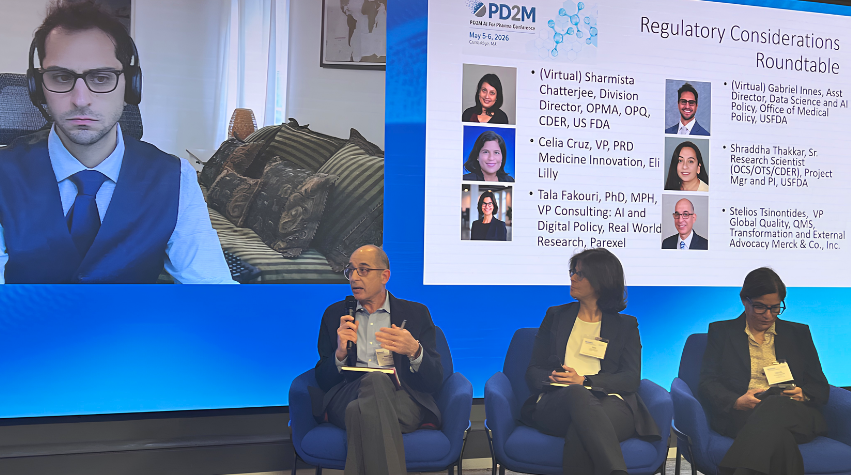
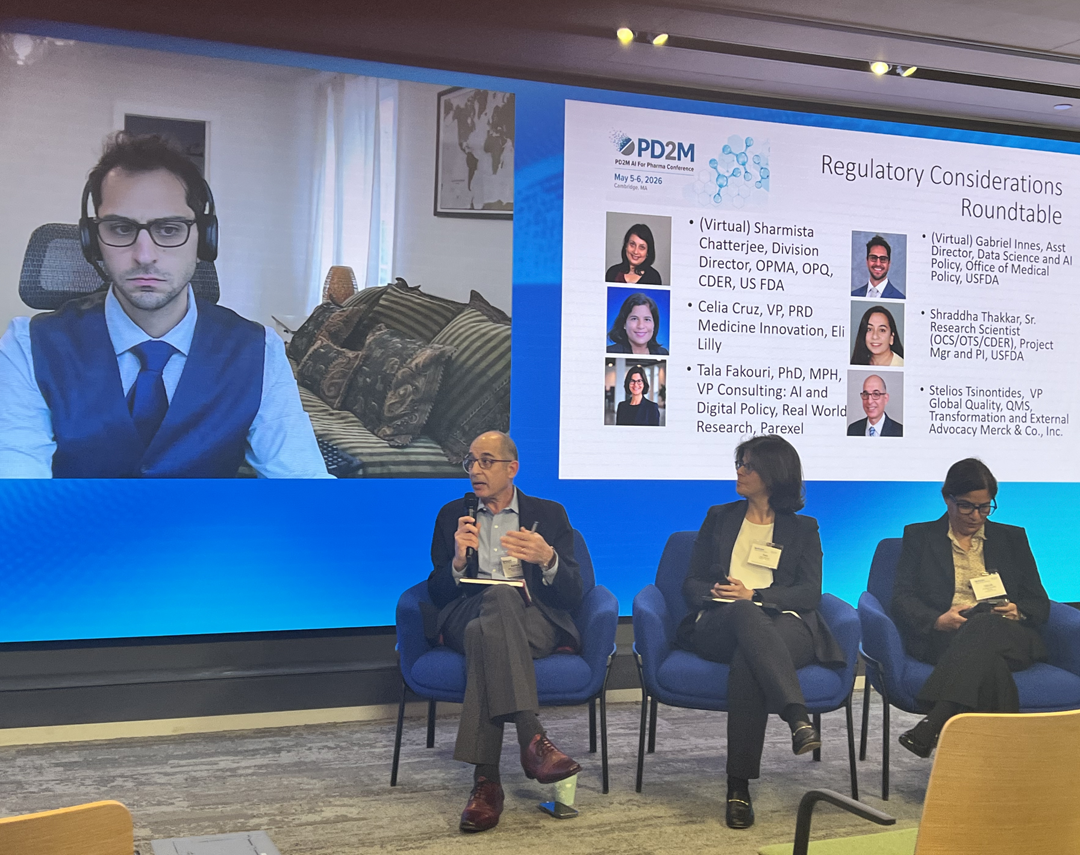
Day two opened with the keynote talk “From Smart Process Development to Smart Manufacturing: CMC Digital Transformation,” presented by Sanofi Global iCMC Digital Transformation Program Lead Cenk Ündey. His talk began a session dedicated to exploring how new technologies like physics-based drug-delivery device simulations and ML surrogates are being deployed to enhance drug process development and manufacturing. This was followed by a second “AI/ML in Drug Substance Process Development and Manufacturing” session, featuring presentations on innovations in predictive analytics for batch-process optimization, AI-enabled modeling for bioreactors, digital twins created to enhance manufacturability, and more. The conference concluded with a final panel discussion dedicated to examining the regulatory landscape facing the use of AI in the pharmaceutical industry.
To stay current with upcoming conferences, visit www.aiche.org/conferences to explore AIChE's diverse programming options, and check out www.aiche.org/community to learn more about the PD2M Forum and other AIChE professional communities.